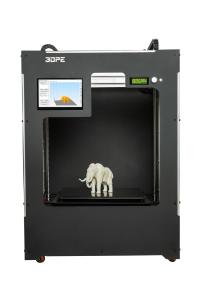
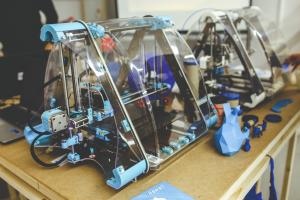
If you're diving into the world of 3D printing, FDM printers are a fantastic starting point. These printers use a process where melted filament is deposited layer by layer to create solid objects. It's like a hot glue gun that builds up your design! If you're looking to bring your ideas to life, FDM printers are the way to go.
One of the best things about FDM printers is their versatility. They can handle a wide range of materials, from basic PLA to tougher filaments like ABS. So whether you're making toys, prototypes, or even spare parts, FDM printers can get the job done. Here are some common uses:
Setting up an FDM printer is often a breeze. Many come with user-friendly interfaces and are compatible with various slicing software. This means you can easily tweak your designs and get them printed in no time. Plus, maintenance is usually simple, making it easy to keep your machine running smoothly.
What's even better is that FDM printers are available at every price point. Whether you're on a tight budget or ready to invest in a higher-end model, there's something out there for you. You can find entry-level printers perfect for beginners, as well as pro models that deliver high precision and speed. It’s all about finding what fits your needs best!
SLA Printers for Fine Details
SLA printers, or Stereolithography printers, are perfect if you want to create stunningly detailed models. They use a laser to cure resin layer by layer, which allows for incredibly precise prints. You’ll notice the difference right away when you compare them to other printer types. The level of detail is just incredible!
These printers are ideal for projects that demand fine features, like miniatures, jewelry, or detailed prototypes. If you’ve got a specific design in mind, an SLA printer can reproduce every tiny aspect without losing any quality. It's like having a superpower for your creative projects!
One thing to keep in mind is that SLA printing requires some extra steps. After printing, you'll need to clean the printed model and cure it under UV light. This may sound like a hassle, but it’s totally worth it for that smooth finish and intricate detail. Plus, many printers come with handy accessories that make this process easier.
If you're ready to dive into the world of finely detailed printing, an SLA printer might be just what you need. They might cost a bit more than some other options, but you’ll appreciate the amazing quality every time you take a look at your finished piece. Your designs deserve that magic touch.
SLS Printers for Stronger Parts
If you’re after tough and durable parts, SLS printers are your best friends. SLS stands for Selective Laser Sintering, and these printers use a laser to melt powdered materials like nylon or even some metals. This process creates super strong pieces that you can really count on for functional prototypes or end-use parts.
One of the standout features of SLS printers is their ability to create complex shapes without the need for support structures. Since the powder surrounding the print acts as support, you can go wild with designs. Curves, intricate details, and even hollow structures are pretty much a breeze!
Another cool thing about SLS printers is their ability to recycle unused powder. This means less waste and more cost-effectiveness in the long run. If you’re planning on making multiple parts or if you like to tinker with different designs, that’s a big plus.
Keep in mind that SLS printers usually come with a higher price tag than FDM printers. But if you're serious about strength and precision, they’re worth every penny. Just think of what you could create with those powerful machines on your workbench!
Binder Jetting for Quick Production
Binder jetting is a super interesting method in the world of 3D printing. It’s a technique that's all about speed and efficiency. Instead of heating up to melt materials, binder jetting uses a liquid binder to glue together layers of powdered material, like metal or sand. This makes it a great option if you're looking to produce parts quickly.
One of the biggest perks of binder jetting is its ability to create large parts in one go. Traditional 3D printing methods can take a long time, especially for bigger pieces. With binder jetting, you can fill up the print bed with multiple objects at once, speeding up the entire production process. It's perfect for things like prototypes or parts that need to be made in bulk.
Another cool thing about binder jetting is the range of materials you can use. It's not just limited to plastics. You can print with metals or ceramics, giving you a lot of flexibility depending on what you need. This means you can create parts for industries like automotive or aerospace, where durability and strength are key.
Plus, the post-processing is relatively straightforward. After printing, the parts come out as a solid block and you just need to remove the excess powder. This not only saves time but also reduces material waste, which is a win for both your wallet and the environment.