3D printing might sound high-tech and a bit intimidating, but it’s pretty straightforward once you break it down. At its core, 3D printing builds objects layer by layer using a computer design. You start with a digital model created in 3D software, and the printer takes it from there, melting plastic filament or resin to create solid, tangible items.
The most common type of 3D printing is called Fused Deposition Modeling (FDM). This is where the printer heats up a spool of plastic filament and squirts it out in thin layers. As each layer cools, it bonds to the one below, eventually forming your object. It’s like icing a cake, layer by layer, until you have a finished treat that matches your design!
Another popular method is Stereolithography (SLA), which uses a different approach. Instead of melting plastic, it cures liquid resin with a UV light. This method can create more detailed and smoother finishes, making it great for things like detailed figurines or jewelry.
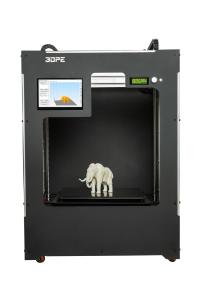
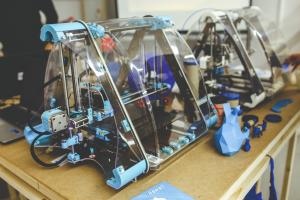
3D printers come in all shapes and sizes, from small desktop models perfect for home use to industrial beasts that can churn out massive items. The choice really depends on what you want to create and how much you’re willing to spend. Don’t let the variety overwhelm you; just think about your projects, and you’ll find the right fit!
Choosing Your First 3D Printer
Picking your first 3D printer can feel a bit overwhelming. With so many options out there, it's easy to get lost. But don't worry! I’m here to help you break it down so you can snag the right one for your needs.
First off, think about what you actually want to print. Are you into creating models, toys, or maybe gadgets? Different printers excel at different things. For instance, if you're looking to whip up some toys or art pieces, look for a printer that handles PLA filament well. That stuff is super easy to work with, especially for beginners!
Next, consider your budget. There are some fantastic options out there that won't break the bank. You can find solid beginner printers in the $200-$500 range. They'll get you started without draining your wallet. Check reviews to find reliable ones that come highly recommended.
Don’t forget about size! Think about the print area you’ll need. If you plan on making small items, a smaller printer will do just fine. But if you dream of printing larger projects, make sure to choose one with a bigger build volume.
Lastly, support and community matter. Some brands have great online communities and resources. If you ever run into trouble, it’s nice to know there are people ready to help you out. Look for a printer from a brand that has a solid reputation and plenty of support options. Happy printing!
Essential Materials for 3D Printing
When you're diving into the world of 3D printing, picking the right materials is crucial. Different projects need different filaments, so let's break down the essentials you should consider.
1. PLA (Polylactic Acid): This is the go-to choice for beginners. It's easy to print with and produces great-looking models. PLA is made from corn starch or sugarcane, making it biodegradable. If you want something that’s colorful and doesn’t require a heated bed, go for PLA!
2. ABS (Acrylonitrile Butadiene Styrene): If you need something more durable, ABS might be your best bet. It's widely used for making tough items like phone cases. However, it does need a heated bed and has a bit of an odor while printing, so keep that in mind if you're printing indoors.
3. PETG (Polyethylene Terephthalate Glycol): This is a cool middle ground between PLA and ABS. PETG is pretty tough and has excellent layer adhesion. It’s also more flexible, which makes it ideal for parts that need a bit of give, and it doesn’t warp easily!
4. TPU (Thermoplastic Polyurethane): If you’re into flexible materials, TPU is a fantastic choice. It prints rubbery items like phone cases or toys easily. Just remember, printing with TPU can be a bit trickier, so make sure your printer can handle it!
Setting Up Your 3D Printing Space
Creating the right environment for your 3D printing setup can really make a difference in your experience. First things first, find a dedicated space that’s large enough for your printer and any supplies you’ll need. A table or desk should do, but make sure it’s sturdy and can handle some weight. You want something that won’t wobble as that can affect your prints.
Next up is ventilation. 3D printing can produce some fumes, especially with certain types of filament, so it's smart to have good airflow. If you can, set up your printer near a window or invest in a fan to help keep the air fresh. You can also look into an enclosure for your printer, which can help with temperature control and keeps dust away.
Don’t forget about organization. Keep your filaments, tools, and other materials stored neatly nearby. A simple shelving unit can keep everything within reach. Having a toolbox or drawer for your tools will save you from searching around when you need that extra screwdriver or tweezers.
Lighting is another key factor. Bright, even lighting helps you see what you’re doing and monitor your prints. A good desk lamp can make a big difference. Plus, it’s a nice way to add some personality to your space. Whether you’re into funky designs or a simple setup, let your style show!