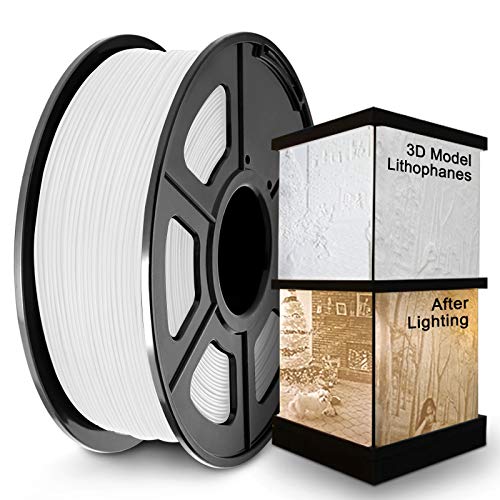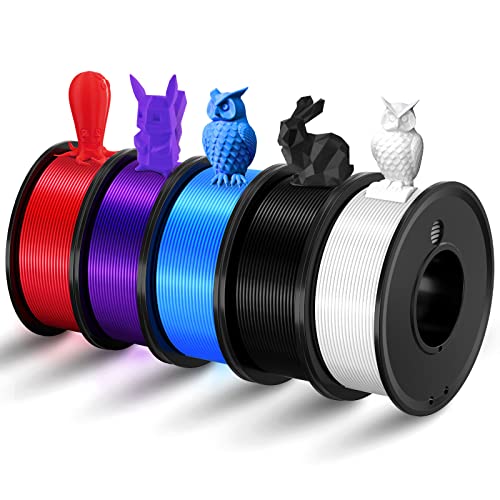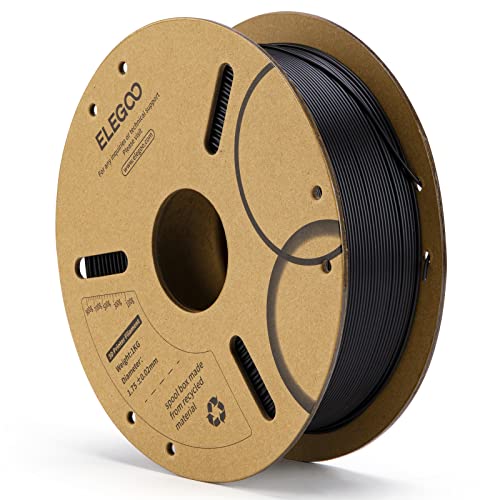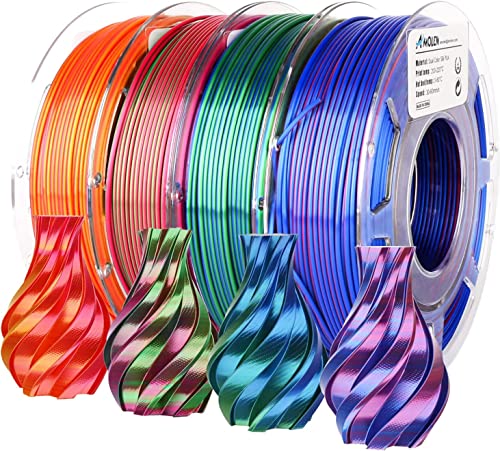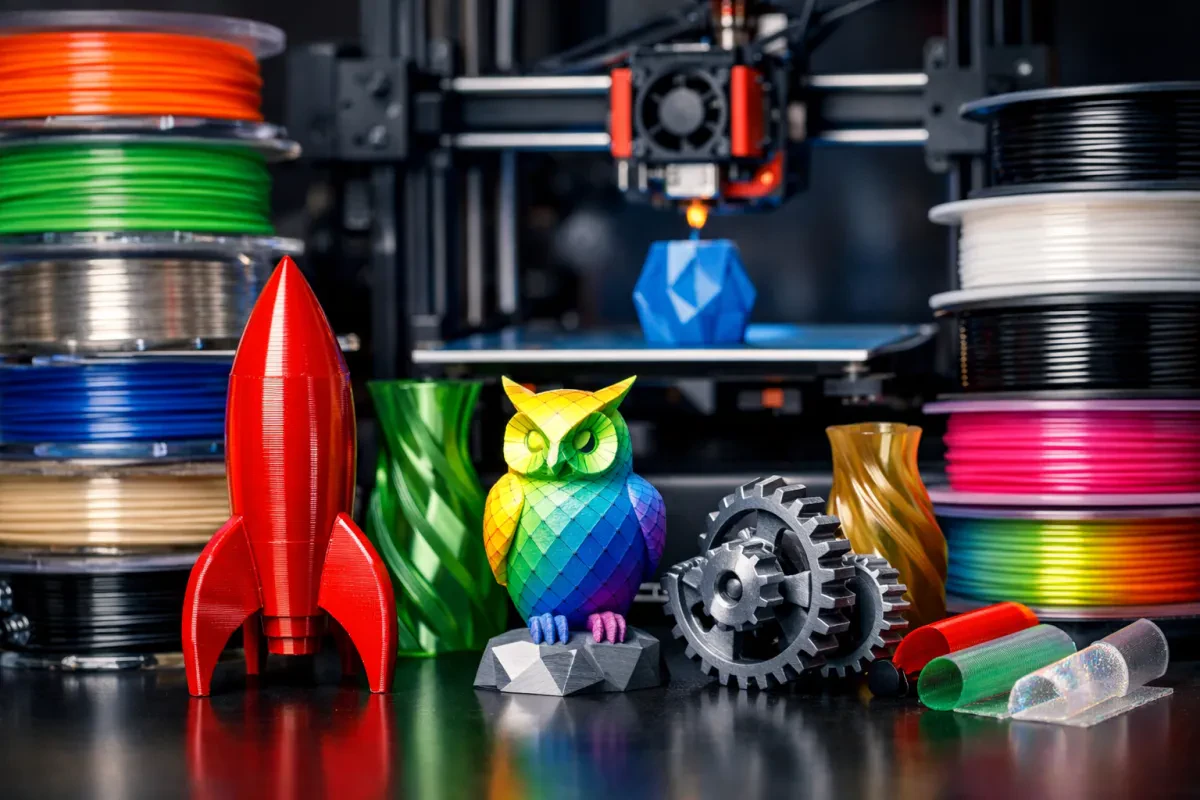
When it comes to 3D printing, the filament you choose can make all the difference. Different projects call for different materials, and knowing which 3D printing filaments to use is key. Let’s break down some of the top options out there!
PLA (Polylactic Acid)PLA is the go-to filament for most beginners. It's super easy to work with and great for detailed prints. Plus, it’s biodegradable, which is a nice bonus for your eco-friendly projects. It’s perfect for things like prototypes, toys, or decorative items. Just remember, PLA isn’t the best for heat-resistant items since it can warp if it gets too hot.
ABS (Acrylonitrile Butadiene Styrene)ABS is the heavy hitter. It’s tougher than PLA and holds up better to heat, making it great for functional parts and toys that might see some rough handling. Just keep in mind, it can be a bit stinky while printing and often requires a heated bed to prevent warping.
TPU (Thermoplastic Polyurethane)Need something flexible? TPU is the way to go. This rubber-like filament is perfect for making phone cases, toys, or any project where you need some bend. It’s a bit trickier to print, but the results are worth it. A direct drive extruder works best here for consistent results.
PETG (Polyethylene Terephthalate Glycol)PETG hits that sweet spot between flexibility and strength. It’s resistant to impact and moisture, so it works well for containers and functional parts. It’s not as easy to print as PLA, but it’s definitely worth the effort. Just make sure your print bed is properly prepared to avoid issues.
Budget Friendly 3D Printing Options
If you’re diving into the world of 3D printing, finding the right filaments without breaking the bank is key. Luckily, there are plenty of budget-friendly 3D printing filaments that won’t sacrifice quality. Here’s a quick rundown of some great options to consider.
PLA is often the go-to for beginners and for good reason. It’s super affordable and easy to print with. If you want a reliable filament that gives you great finishes and vibrant colors, PLA should be at the top of your list. Plus, it’s biodegradable, which is a nice bonus for the environmentally conscious.
Another great option is PETG. This filament is a step up from PLA when it comes to strength and durability. It's still easy to use and offers good layer adhesion. You can find PETG filaments in various prices, making it a good choice for budget shoppers. It’s perfect for functional parts or anything that needs a bit of flexibility.
And don’t forget about ABS. While it can be trickier to print, many 3D printers handle it with ease. ABS filaments are usually pretty affordable and known for their toughness. If you need to create parts that can stand up to heat or high stress, this could be your pick. Just make sure you have proper ventilation since it can release fumes during printing.
With so many affordable 3D printing filaments out there, you can experiment and grow your skills without spending a fortune. Whether you stick with PLA, explore PETG, or try out ABS, there’s an option for every project and budget. Happy printing!
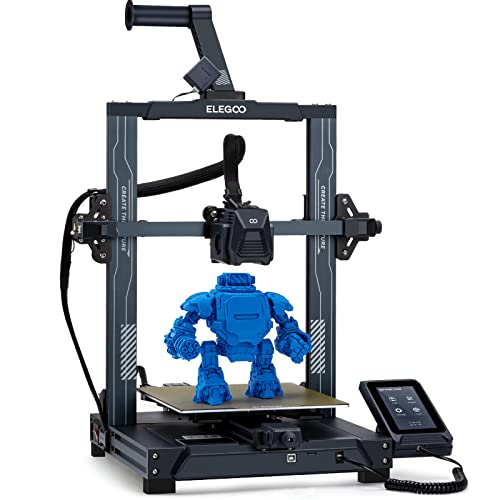
ELEGOO Neptune 3 Pro: 3D Printer with Large Printing Size
Experience next-level 3D printing precision and efficiency with the ELEGOO Neptune 3 Pro, a large-format 3D printer tailored to your imagination
Product information
$249.99
Product Review Score
4.56 out of 5 stars
217 reviewsProduct links
Specialty Filaments for Unique Creations
If you’re diving into the world of 3D printing, you might be curious about specialty filaments. They’re perfect for making your projects stand out and adding a unique touch to your creations. Let’s explore some cool options!
First up, we have flexible filaments. These are great if you want to print something that needs to bend, like phone cases or wearable items. They feel like rubber, giving your projects some interesting textures and functionalities. Imagine your designs going from rigid to flexible with just a slice of the printer!
Next on the list are metal-infused filaments. Want to give your prints a classy metallic look? These filaments mix traditional plastics with real metal powders, resulting in a shiny finish. They’re perfect for decorative pieces or practical items that need a bit of style.
Don’t forget about glow-in-the-dark filaments! They’re super fun for night-time projects, like lamps or spooky decorations. Just expose them to light, and they’ll glow bright when the sun goes down. It’s a simple way to make your designs eye-catching and memorable.
Last but not least, we have wood-based filaments. Yes, you read that right! They’re made with recycled wood fibers, giving your prints a lovely, earthy feel. You can create everything from decorative art pieces to little furniture boosts. The textured finish looks and feels pretty real.

RESIONE Flexible Tough 3D Printer Resin 500g
Achieve impressive flexibility and strength in your prints with this easy-to-use resin
Product information
Product Review Score
4.67 out of 5 stars
194 reviewsProduct links
Durability and Strength in 3D Printing
When you’re diving into the world of 3D printing, one of the biggest things to think about is how durable your prints are going to be. Not all 3D printing filaments are created equal when it comes to strength. Some are tough and built to last, making them perfect for functional parts or daily use items, while others might be better suited for decorative pieces.
Filaments like ABS and Nylon are known for their strength. ABS is an all-time favorite for making sturdy objects because it can handle some rough treatment. Nylon takes it a step further, offering flexibility alongside strength. This means you can create items that need to bend without breaking, which is great for things like gears or parts that have to move.
If you want something even tougher, consider materials like PETG. It's tough and resistant to wear and tear, making it a solid choice for parts that see some action. And let’s not forget about TPU, which is a flexible filament. It’s perfect for those projects where you want something strong yet soft and pliable.
When choosing your 3D printing filaments, think about the purpose of your print. If you need something strong, go for filaments that are known for their durability. Knowing what each filament can offer will help you make the best choice for your project!