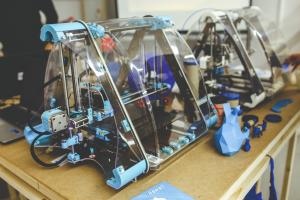
If you’re ready to dive into the world of 3D printing for your small business, you’ll want to start with the right equipment. First things first, you’ll need a good 3D printer. Look for one that fits your budget and your specific needs. Popular options include FDM printers for beginners, which are user-friendly and great for creating basic models.
Don’t forget about the materials! Filament is crucial, and the type you choose can really affect your prints. For most starters, PLA is a solid choice. It’s easy to work with, widely available, and produces nice results. As you get comfortable, you can experiment with other materials like ABS or PETG for different applications.
Aside from the printer and materials, you’ll want some software to design your creations or prepare files for printing. Programs like Tinkercad are great for beginners since they’re intuitive and free. Once you get the hang of 3D modeling, you can explore more advanced options.
Finally, don’t forget about maintenance gear. Keep your printer clean and well-maintained to avoid issues down the line. Grab some spare parts, cleaning tools, and maybe even a good heat-resistant mat for work safety. With the right setup, you’re on your way to turning your 3D printing dreams into a thriving small business!
Choosing the Right 3D Printer for You
Choosing the right 3D printer can feel overwhelming with so many options out there. But don't worry! Let's break it down together and find the perfect fit for your small business.
First off, think about what you want to create. Are you focusing on small prototypes, intricate designs, or maybe larger items? If you're into detailed work, a printer with higher resolution and precision is key. Look for models that can handle fine layers and have a solid reputation for accuracy.
Next, consider the materials you'll be using. Different printers support different types of filaments. If you're planning to print with standard PLA plastic, lots of printers can handle that without a hitch. But if you want to experiment with flexible materials or even metal, you'll need a more specialized printer. Knowing what materials suit your projects can save you headaches later.
Don’t forget about your budget! 3D printers come in a range of prices. You can find solid entry-level options that won’t break the bank, or you can go for high-end machines if you're aiming for commercial-grade production. Always weigh your needs against what you’re willing to spend.
Finally, think about support and community. A printer with a strong user community or good customer support can make a world of difference when you're starting out. You’ll find valuable tips, troubleshooting advice, and maybe even inspiration from other users. Plus, knowing that help is just a message away can ease any worries you might have about getting started!
Tips for Designing Your First Product
Getting started with your first product design can feel overwhelming, but it should also be fun! Here are some tips to help you along the way:
1. Start Simple: Don’t dive into complex designs right away. Think about everyday items you use – like a phone stand or a keychain holder. Start with something simple. This gives you a chance to get comfortable with your printer and software.
2. Sketch It Out: Grab some paper and sketch your ideas. This doesn’t have to be fancy. Just rough outlines help you visualize what you want to create. Once you have a clear idea on paper, you can move to design software.
3. Use Design Software: Get familiar with user-friendly design software like Tinkercad or SketchUp. They’re great for beginners and offer tons of tutorials. You’ll quickly learn how to turn your sketches into 3D models.
4. Check for Printability: Before you hit print, make sure your design is 3D printable. Look out for floating parts or sharp angles. You can use tools in the software to check for any issues. This saves you a lot of headaches later!
5. Test, Test, Test: Don’t be afraid to print prototypes. Your first print might not come out perfectly, and that’s okay! It’s a learning process. Each print helps you understand how to improve your design.
Marketing Your 3D Printed Creations Online
So, you’ve got your 3D printer running and you’ve created some awesome stuff. Now what? Marketing your creations online is key to getting the word out and making sales. The good news is there are plenty of ways to showcase your work that won’t break the bank.
First off, social media is your best friend. Platforms like Instagram and Pinterest are perfect for sharing eye-catching photos of what you’ve created. People love visuals, and 3D printed items can look super cool! Use hashtags to reach a wider audience. Think along the lines of #3DPrinting, #MakerCommunity, and #CustomCreations to get noticed.
Next, consider setting up an online shop. Websites like Etsy or Shopify are easy to navigate and help you set up a storefront without a ton of hassle. Give your products great descriptions—tell buyers what makes them special! People love knowing the story behind what they’re buying.
Don’t forget about local markets too! Farmers’ markets and craft fairs can be gold mines for exposure. A physical presence lets folks see and touch your products, making them more likely to buy. Plus, it’s a great way to connect with your community and gather feedback on your designs.
Lastly, engage with other makers and potential customers online. Join forums or groups focused on 3D printing. Share your experiences and learn from others. Building a community around your passion can lead to collaboration opportunities, new customers, and plenty of support!